In the relentless sprint to fill every pixel with motion, shadows, and high-definition “slop,” the digital world has reached a breaking point. We have spent the last few years drowning in glassmorphism, aggressive 3D animations, and auto-playing backgrounds that serve more as a distraction than a utility. But as we move through 2026, a significant shift is occurring. Minimalist web design isn’t just returning as a quiet alternative; it is making a violent, uncompromising comeback.
This isn’t merely an aesthetic trend. It is a necessary response to “digital exhaustion“. The modern user is overstimulated. When every website competes for attention with loud colors and complex layouts, the site that dares to be quiet becomes the most noticeable. Minimalism in 2026 is an act of digital mercy.
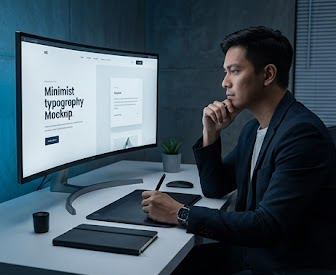
The technical catalyst for this resurgence is performance. As search engines continue to prioritize the “Edge,” every unnecessary kilobyte of JavaScript or heavy image asset becomes a penalty. A minimalist site isn’t just clean—it is lightning-fast. By stripping away the fluff, we are returning to the core purpose of the web: the efficient delivery of information. This “Brutalist” approach to minimalism prioritizes high-contrast typography and massive white space, ensuring that the user’s cognitive load is focused entirely on the content.
We are seeing a move away from the “Pinterest-style” clutter toward layouts that feel more like high-end print journalism. Typography is now doing the heavy lifting that images used to perform. Bold, intentional font choices combined with a limited color palette create a sense of authority and clarity that a generic stock-photo-heavy site can never achieve. It is about the “Power of No”—the discipline to exclude everything that doesn’t serve a specific user goal.
From a UI/UX perspective, this comeback is driven by the need for accessibility. Minimalist designs are inherently more inclusive. They translate more effectively across the fragmented landscape of foldable devices, wearable screens, and high-performance tablets. By reducing the visual noise, we make the navigation intuitive. There is no need for a complex tutorial when the interface is so lean that the next step is obvious.
This movement is also a pushback against the “AI-generated” aesthetic. As machines become capable of generating infinite, complex visual assets, the human touch is found in the restraint. Choosing not to use a feature is now a more powerful design statement than adding one. At xdcweb, we are advising a “Minimal-First” strategy. We start with the bare essentials and only add elements if they prove their worth.
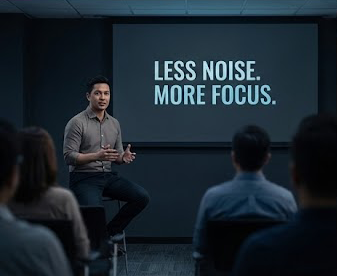
The return to minimalism is a reclamation of the user’s attention. In a web that feels increasingly like a carnival, a minimalist site feels like a sanctuary. It is a bold, high-CTR strategy that prioritizes the human experience over visual gimmicks. The future of the web isn’t more—it is better.